Patient Education
Heart & VascularHealth Article

Heart failure

Heart failure is a long-term condition in which the heart cannot pump blood around the body as effectively as it should. This does not mean that the heart has stopped working. Instead, the heart may be too weak to pump enough blood, too stiff to fill properly, or both. Because the heart cannot meet the body's needs efficiently, fluid can build up in the lungs, legs, ankles and other parts of the body. This can lead to symptoms such as breathlessness, tiredness and swelling of the legs. Heart failure can develop gradually or sometimes appear suddenly. It can affect people of different ages, although it is more common in older adults. Heart failure is usually a long-term condition, but appropriate treatment, regular medical follow-up and lifestyle changes can help control symptoms, improve quality of life and reduce the risk of hospitalisation.

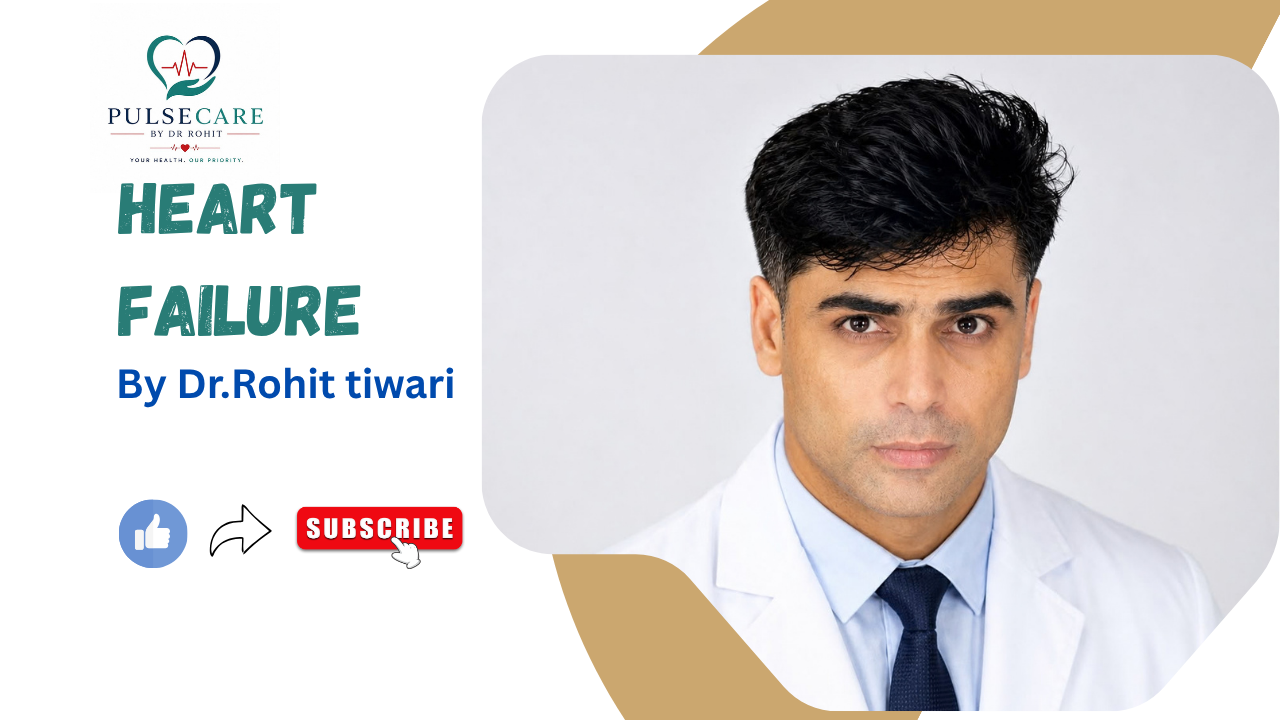
Dr. Rohit tiwari
3 Oct 2026
6 min read
Medically reviewed
Heart failure


      Introduction


      Heart health is an important part of overall wellbeing. The

      cardiovascular system continuously works to deliver oxygen,

      nutrients, and blood to different parts of the body.


      Cardiovascular health can be influenced by several factors,

      including blood pressure, cholesterol, diabetes, physical

      activity, diet, smoking, body weight, stress, sleep, and family

      history.


      Understanding these factors can help you recognize potential

      risks early and make informed decisions about your health.


      Why Is Heart Health Important?


      The heart and blood vessels are responsible for maintaining

      circulation throughout the body. When the cardiovascular system

      is affected by disease or other health problems, it can impact

      several organs and everyday activities.


      Maintaining cardiovascular health involves understanding your

      individual risk factors and following healthy habits that are

      appropriate for your health condition.


  •         Maintain healthy blood pressure levels.


  •         Monitor cholesterol when recommended.


  •         Stay physically active according to your health condition.


  •         Follow a balanced and nutritious diet.


  •         Avoid smoking and tobacco products.


  •         Maintain a healthy body weight.


  •         Manage diabetes and other existing health conditions.


          Common Risk Factors for Heart Disease


          Some cardiovascular risk factors can be modified through

          lifestyle changes, while others may require regular medical

          monitoring and professional guidance.


          High Blood Pressure


          High blood pressure can place additional strain on the heart

          and blood vessels. Because it may not always cause noticeable

          symptoms, regular monitoring can be important for people at

          increased risk.


          High Cholesterol


          Cholesterol is necessary for several functions in the body.

          However, abnormal cholesterol levels can contribute to

          cardiovascular risk in some individuals.


          Diabetes


          Diabetes can affect blood vessels and increase cardiovascular

          risk. Managing blood glucose levels according to an individual

          healthcare plan can help support long-term health.


          Smoking and Tobacco Use


          Tobacco use can negatively affect blood vessels and cardiovascular

          health. Avoiding tobacco is an important part of maintaining

          heart health.


          Physical Inactivity


          A physically inactive lifestyle can contribute to several

          cardiovascular risk factors. Regular activity appropriate to

          your health condition can support cardiovascular wellbeing.


          Healthy Habits for a Stronger Heart


          Heart-healthy habits do not have to involve complicated changes.

          Small and consistent improvements can contribute to better

          cardiovascular wellbeing over time.


          1. Stay Physically Active


          Regular physical activity can support cardiovascular fitness,

          healthy body weight, and overall wellbeing. Choose activities

          that are appropriate for your age, fitness level, and medical

          condition.


          2. Follow a Balanced Diet


          A balanced diet can include vegetables, fruits, whole grains,

          legumes, and other nutrient-rich foods. Dietary requirements

          can differ between individuals, particularly when medical

          conditions are present.


          3. Monitor Your Health


          Regular monitoring of blood pressure, blood glucose,

          cholesterol, or other health measurements may be recommended

          depending on your individual health profile.


          4. Avoid Tobacco


          Avoiding cigarettes and other tobacco products is an important

          step toward protecting cardiovascular health.


          5. Maintain Healthy Sleep Habits


          Consistent and adequate sleep is an important part of overall

          health. Persistent sleep problems should be discussed with a

          healthcare professional.


          6. Manage Stress


          Long-term stress can affect overall wellbeing and may influence

          several cardiovascular risk factors. Relaxation, physical

          activity, adequate sleep, and professional support can be useful

          depending on individual circumstances.


          Warning Signs You Should Not Ignore


          Some symptoms can indicate a serious medical problem and may

          require urgent assessment. Important warning signs can include:


    •         Severe or persistent chest discomfort.


    •         Shortness of breath.


    •         Sudden unexplained sweating.


    •         Severe dizziness or fainting.


    •         Sudden weakness or unusual fatigue.


    •         Pain or discomfort that spreads toward the arm, shoulder,

              back, neck, or jaw.


              If you believe you may be experiencing a medical emergency,

              seek immediate medical assistance. Do not rely on online

              information to diagnose or manage an emergency.


            When Should You Talk to a Doctor?


            Consider speaking with a qualified healthcare professional if

            you have persistent or unexplained symptoms, abnormal blood

            pressure or cholesterol readings, diabetes, a family history

            of cardiovascular disease, or concerns about your heart health.


            A healthcare professional can review your medical history,

            symptoms, lifestyle, and risk factors and determine whether

            further evaluation or testing is appropriate.


            Simple Heart Health Checklist


            Use the following checklist as a simple reminder for maintaining

            healthy cardiovascular habits:


      •         Know your numbers:

                Keep track of blood pressure, cholesterol, and blood glucose

                when recommended.


      •         Stay active:

                Include regular physical activity that is appropriate for you.


      •         Eat mindfully:

                Choose a balanced and varied diet.


      •         Avoid tobacco:

                Do not smoke and avoid other tobacco products.


      •         Sleep well:

                Maintain a consistent sleep routine.


      •         Attend regular check-ups:

                Follow healthcare recommendations based on your individual

                risk profile.


              Frequently Asked Questions


                How can I improve my heart health?


                Regular physical activity, a balanced diet, avoiding tobacco,

                maintaining healthy blood pressure and cholesterol levels,

                getting adequate sleep, and following appropriate medical

                advice can support cardiovascular health.


                Can lifestyle changes reduce heart disease risk?


                Healthy lifestyle choices can contribute to cardiovascular

                health and may help manage several risk factors. The effect

                varies between individuals and depends on existing medical

                conditions and other factors.


                Should I regularly check my blood pressure?


                The appropriate frequency depends on your health status and

                individual risk factors. People with hypertension or other

                cardiovascular concerns may need monitoring according to

                their healthcare professional's recommendations.


                When should chest pain be treated as an emergency?


                New, severe, persistent, or unexplained chest discomfort,

                particularly when accompanied by symptoms such as shortness

                of breath, sweating, fainting, or pain spreading to other

                areas of the body, requires urgent medical assessment.


              Key Takeaways


        •         Heart health is influenced by lifestyle, medical conditions,

                  and individual risk factors.


        •         Blood pressure, cholesterol, diabetes, smoking, physical

                  activity, and body weight can all be important factors.


        •         Regular physical activity and a balanced diet can support

                  cardiovascular wellbeing.


        •         Avoiding tobacco is an important part of cardiovascular

                  prevention.


        •         Understanding warning signs can help people seek medical

                  attention when appropriate.


        •         Individual medical concerns should always be discussed with

                  a qualified healthcare professional.


                Medical Disclaimer


                This article is provided for general educational and

                informational purposes only. It is not intended to diagnose,

                treat, cure, or prevent any disease or medical condition and

                should not be considered a substitute for professional medical

                advice.


                Medical information can vary depending on an individual's

                symptoms, medical history, medications, age, and other factors.

                Always consult a qualified healthcare professional for advice

                specific to your health condition.


                If you are experiencing a medical emergency, seek immediate

                medical assistance.


                Published by:

                PulseCare